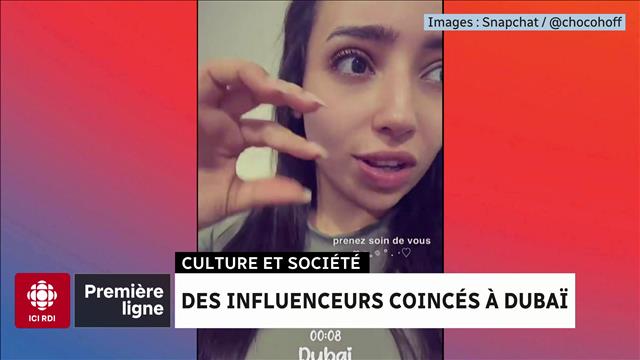
Dubaï Influenceuse: Source Lacks Key Information – Unpacking the Mystery Behind "Influenceuse Bloquée Dubaï" Searches
In the vast and often confusing landscape of online information, certain search queries pique public curiosity, leading users down rabbit holes of speculation and unverified claims. One such term that has garnered attention is "influenceuse bloquée Dubaï" (influencer blocked/stuck in Dubai). People are actively searching for news, details, or confirmation of an event involving an influencer facing issues in the glamorous emirate. However, as this article will explore, reliable and factual information directly addressing a specific "influenceuse bloquée à Dubaï" is remarkably scarce, often overshadowed by irrelevant or misleading content. This piece aims to dissect the phenomenon, understand *why* such searches yield little fruit, and provide crucial insights into the real environment for content creators in Dubai, offering a valuable perspective for both curious searchers and aspiring influencers.
The Elusive Truth: Why Information on an "Influenceuse Bloquée à Dubaï" is Hard to Find
The quest for verifiable news about an "influenceuse bloquée Dubaï" often leads to a dead end. When users input this query into search engines, they are frequently met with a myriad of results that bear no relevance to the specific event they are looking for. This phenomenon isn't uncommon when dealing with niche or rumored incidents. Several factors contribute to this information void:
- Lack of Official Confirmation: For any significant legal or regulatory action involving a public figure, official sources (government statements, credible news outlets) would typically report on it. The absence of such reports strongly suggests that either no widely publicized incident matching this description has occurred, or any issues were handled privately without public disclosure.
- Misinformation and Speculation: The internet thrives on rumors. A vague search term like "influenceuse bloquée Dubaï" can easily attract speculative articles, forum discussions, or social media posts that lack factual backing. These often spread without proper verification, making it difficult for the average user to discern truth from fiction.
- Search Engine Limitations and Irrelevance: As evidenced by the struggle to find relevant information, search algorithms can sometimes interpret queries broadly, leading to results that are completely unrelated to the user's actual intent. This can include adult content, clickbait, or articles about unrelated events, creating a frustrating experience for those genuinely seeking information. For a deeper dive into these search challenges, you might find Searching for Bloquée Info? Contextual Gaps Explored particularly insightful.
- Privacy Concerns: Even if an influencer were to face minor legal or administrative hurdles, details are often kept private, especially if no serious crime is involved. Public disclosure of such personal difficulties is rare unless the individual chooses to share their story or if a major public interest warrants it.
Therefore, while the search term itself indicates a strong public interest, the reality is that concrete details regarding a specific "influenceuse bloquée Dubaï" remain elusive due to these systemic challenges in information dissemination and verification.
Navigating the Digital Landscape: Rumors vs. Reality for Influencers in Dubai
Dubai has become a magnet for influencers worldwide, drawn by its luxurious lifestyle, stunning backdrops, and burgeoning digital economy. This high-profile environment, however, also comes with its own set of rules and expectations. The prevalence of searches for an "influenceuse bloquée Dubaï" reflects a general public awareness and perhaps concern about the challenges influencers might face in such a regulated and often scrutinised setting.
The reality for content creators in Dubai involves operating within a well-defined legal and ethical framework. Influencers are expected to adhere to local customs, laws, and specific regulations pertaining to media and advertising. Any issues an influencer might face could stem from a variety of causes, none of which necessarily align with the dramatic "bloquée" scenario often imagined:
- Visa and Residency Issues: Like any expatriate, influencers must ensure their visas and residency permits are in order. Lapses here could lead to travel restrictions or administrative difficulties.
- Commercial Licensing: Dubai requires influencers who earn income from their content (e.g., sponsored posts, brand collaborations) to obtain a valid media license. Operating without one can lead to fines or restrictions.
- Content Violations: The UAE has strict laws regarding public decency, defamation, religious sensitivity, and the dissemination of false information. Content that violates these norms, even inadvertently, can lead to serious legal repercussions.
- Contractual Disputes: Influencers often engage in complex contracts with brands or agencies. Disputes over terms, payments, or deliverables could lead to professional "blocks" or legal battles, though these are typically commercial rather than criminal.
- Social Media Missteps: Unwise comments, controversial opinions, or involvement in public disputes could lead to social media accounts being suspended or the influencer being "cancelled" by brands or followers.
It's crucial for both aspiring influencers and the public to distinguish between sensational rumors and the practical realities of operating in Dubai. While the city offers immense opportunities, it also demands adherence to its unique regulatory and cultural landscape. For more general information on this topic, consider reading Influenceuse Dubaï Update: No Content Found Here, which further illustrates the difficulties in finding specific news.
Legal Framework and Content Creation: What Influencers in Dubai Need to Know
For any content creator considering or currently operating in Dubai, understanding the legal and regulatory environment is paramount. The UAE, and Dubai specifically, has a sophisticated framework designed to govern digital media and advertising. This framework aims to ensure ethical practices, protect consumers, and uphold societal values.
Key Regulatory Bodies and Requirements:
- National Media Council (NMC) / UAE Media Council: The NMC historically played a crucial role in regulating media content, including online platforms. While there have been shifts and expansions in regulatory scope, content creators engaging in commercial activities must still comply with media laws. This often involves obtaining a specific influencer license through entities like the National Media Office (NMO) or Creative City Free Zone.
- Commercial Licenses: Influencers who operate as a business, receiving payment for their content, must register their activities. This isn't just a recommendation; it's a legal requirement to avoid operating an unlicensed business, which can result in significant fines and penalties.
- Content Guidelines: The UAE has clear guidelines on acceptable content. Influencers must avoid:
- Content that is offensive to public morals, religious beliefs, or national identity.
- Defamation or slander of individuals or entities.
- Promotion of illegal activities or banned substances.
- Misleading advertising or endorsements that do not clearly disclose sponsored content.
- Disrespectful portrayal of local culture, traditions, or government.
- Data Protection Laws: With the introduction of federal data protection laws, influencers also need to be mindful of how they collect, store, and use personal data, especially if their content involves interacting with or featuring other individuals.
Practical Tips for Compliance:
- Get Licensed: If you're earning income as an influencer, secure the necessary commercial and media licenses. Consult with local legal experts or free zone authorities.
- Disclose Sponsored Content: Always clearly label sponsored posts, advertisements, or paid partnerships using hashtags like
#ad,#sponsored, or#paidpartnership. Transparency is key. - Understand Local Culture: Educate yourself on Emirati culture, traditions, and social norms. What might be acceptable elsewhere could be considered inappropriate in the UAE.
- Review Contracts Carefully: Before entering into any brand deals, ensure you fully understand the terms and conditions, especially regarding content rights, exclusivity, and payment schedules.
- Seek Legal Advice: For complex situations or significant commercial ventures, engaging a local lawyer specializing in media and intellectual property law is a wise investment.
Adhering to these guidelines not only ensures legal compliance but also helps influencers build a sustainable and respected career in Dubai, mitigating the risk of ever becoming an "influenceuse bloquée Dubaï" in any problematic sense.
Protecting Your Digital Footprint: Tips for Online Searchers and Content Consumers
The prevalence of searches for "influenceuse bloquée Dubaï" highlights a critical aspect of modern digital literacy: the ability to critically evaluate information. In an age where news and rumors spread at lightning speed, distinguishing fact from fiction is more important than ever. Here are some actionable tips for anyone searching for information online, especially concerning potentially sensitive or speculative topics:
- Scrutinize Sources: Always question the origin of the information. Is it from a reputable news organization with a history of journalistic integrity? Is it an official government statement? Or is it a blog, social media post, or forum discussion without clear attribution or fact-checking?
- Look for Multiple Confirmations: If a story is significant, multiple independent and credible sources should be reporting on it. Be wary of stories appearing only on obscure websites or unverified social media accounts.
- Beware of Sensational Headlines: Clickbait headlines are designed to grab attention, often at the expense of accuracy. If a headline seems too shocking or unbelievable, it probably warrants extra skepticism.
- Check Dates and Context: Old news can resurface and be presented as current. Always check the publication date of an article. Also, consider the broader context; does the story make sense given what you know about the region or topic?
- Understand Search Engine Bias: Search engines aim to deliver relevant results, but "relevance" can sometimes be influenced by popularity, recentness, or even the intent of malicious actors. Not every top result is automatically the most factual or authoritative.
- Avoid Adult-Oriented or Spam Sites: As our initial reference context indicated, sometimes specific search terms can inadvertently lead to highly inappropriate or irrelevant content. If a search result looks suspicious, contains explicit language, or directs you to an unfamiliar domain, it's best to avoid clicking on it. These sites are typically not reliable sources of news or factual information and can pose security risks.
By adopting a more critical approach to online searches, individuals can protect themselves from misinformation and ensure they are consuming content that is reliable and valuable. It empowers you to navigate the digital world more effectively and avoid contributing to the spread of unverified rumors about individuals, such as an "influenceuse bloquée Dubaï."
Conclusion
The persistent search for an "influenceuse bloquée Dubaï" underscores a fascinating intersection of public curiosity, the allure of the influencer lifestyle, and the complexities of navigating reliable information online. As we've explored, the absence of credible reports on such a specific incident suggests that while the term resonates, actual factual evidence is lacking. Instead, the focus shifts to understanding the robust regulatory environment in Dubai for content creators and the essential skills needed for critical information consumption. For both aspiring influencers and engaged citizens, grasping the nuances of digital governance, cultural sensitivity, and media literacy is paramount. It’s a reminder that not every search query leads to a clear answer, and often, the most valuable lesson is in understanding why that information is elusive, empowering us to seek truth more effectively in an increasingly noisy digital world.